The Decline in Goals in the UEFA Champions League: Possible Reasons and Solutions
The UEFA Champions League, once a showcase of breathtaking goals and intense competition, has seen a recent downturn in the number of goals scored. Many fans are left scratching their heads, wondering why the iconic tournament has lost its attacking flair. Let's delve into the potential reasons behind this decline and explore possible solutions to reignite the goal-scoring magic.
1. Strategic Shifts in Tactics
One of the primary reasons for the decrease in goals could be the shift in tactical approaches. Managers are increasingly focusing on defensive stability, employing a 5-4-1 or 5-3-2 formation to nullify opponents. This shift in tactics has led to fewer open spaces for attackers, making it harder to find the back of the net.
2. Over-reliance on Counter-attacks
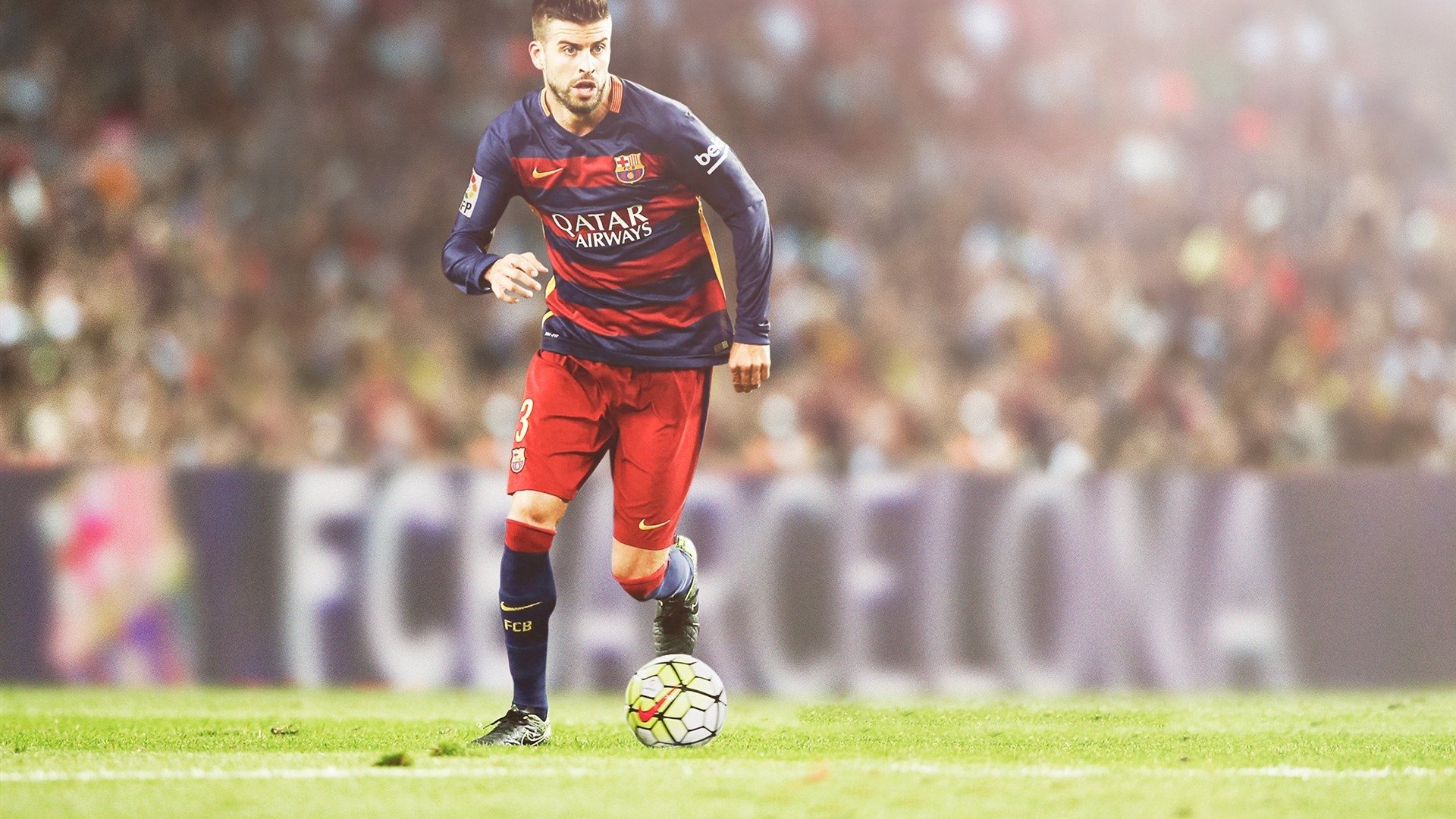
Teams are often seen launching quick counter-attacks, capitalizing on the opponent's mistakes. While this style can be effective, it often comes at the expense of possession and territorial advantage. Consequently, there are fewer opportunities for players to create and score goals.
3. Physical and Mental Fatigue
The UEFA Champions League is a grueling tournament, with teams often playing two games a week. This intense schedule can lead to physical and mental fatigue, affecting players' performance on the field. Fatigue can result in slower decision-making, reduced passing accuracy, and ultimately, fewer goals.
4. Lack of Creative Midfielders
The absence of creative midfielders who can dictate play and create scoring opportunities is another factor contributing to the decline in goals. In the past, the likes of Zinedine Zidane, Xavi, and Andrea Pirlo were known for their ability to weave magic in the middle of the park. Without such players, teams struggle to break down defenses effectively.
5. Improved Goalkeeping
Goalkeepers have become more adept at saving shots and preventing goals. The evolution of training methods, technology, and the use of video analysis has made goalkeepers stronger and more agile. This has made it harder for attackers to find the back of the net.
6. Refereeing Decisions
Referees play a crucial role in determining the flow of the game. In recent years, there has been a stricter interpretation of offside rules and a greater emphasis on fair play. While these decisions are important for maintaining the integrity of the game, they can also lead to fewer goals, as teams are more cautious in their approach.
7. Possible Solutions
To reignite the goal-scoring magic in the UEFA Champions League, the following solutions can be considered:
- Emphasize attacking football: Managers should focus on building teams that can play attacking football, balancing defense and offense effectively.
- Develop creative midfielders: Clubs should invest in nurturing young talents who can control the game and create scoring opportunities.
- Encourage counter-pressing: Teams should learn to counter-press effectively, reducing the space available to opponents and forcing them into mistakes.
- Promote a healthy competition: The competition should be made more challenging, with clubs pushing each other to score goals.
In conclusion, the decline in goals in the UEFA Champions League can be attributed to various factors, including tactical shifts, physical fatigue, and improved goalkeeping. By addressing these issues and implementing the suggested solutions, the tournament can once again become a spectacle of attacking football and thrilling goals.